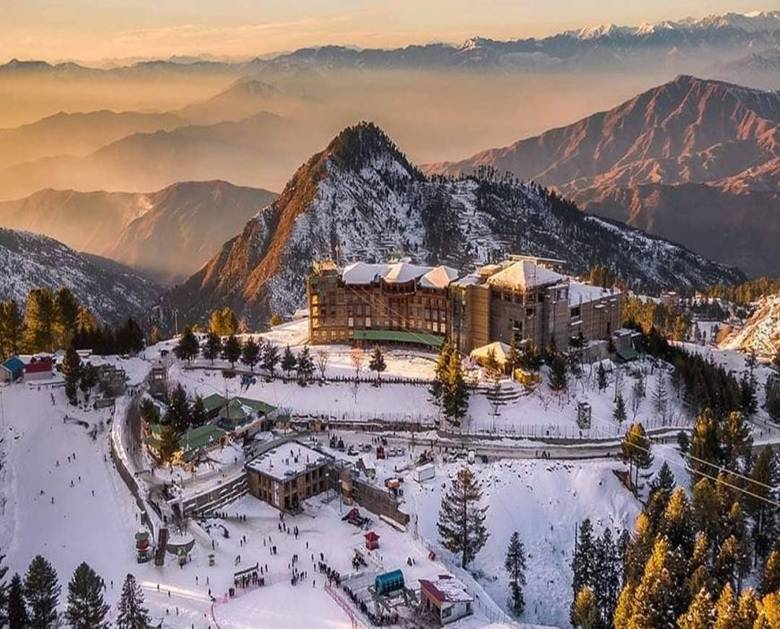
Located in the heart of Pakistan’s Khyber Pakhtunkhwa province, Swat valley of breathtakingly peaceful and scenic destination that captures the heart of every traveler. With its snow-covered mountains, crystal-clear lakes, and lush green forests, its no surprise that Swat is often called the “Switzerland of the East”. This enchanting valley stretches around the beautiful Swat River, offering a magical blend of natural beauty, spiritual calm, and ancient history all in one frame. The main city of the valley is Mingora, while Saidu Sharif serves as its administrative hub. What makes Swat truly special is how its rich history, vibrant culture and spiritual depth blend seamlessly with the landscape-creating an experience that’s not just scenic, but soulful.
Historical Background
Swat’s history goes back thousand of years. It was a central part of the Gandhara civilization, and back then, it was known as “Oddiyana”, which means the “Garden”. The name itself reflects the valley’s natural charm and beauty. During ancient times, Swat was home to countless Buddhist Stupas, monasteries and statues, many of which stills exist today-like the Butkara Stupa, the majestic Jahanabad Buddha, and Shingardar Stupa. Buddhist scholars from across the region come here to seek knowledge and spiritual growth, making it a true center of learning and peace. In the 11th century, Mahmud of Ghazni introduced Islami rule to the region, after which various Pashtun tribes settled in Swat, gradually shaping its Islamic identity. By the 16th century, the Yousafzai tribe took control and laid the foundations for a new political structure. Fast forward to the 20th century, Miangual Abdul Wadud, also as a Badshah Shaib, established Swat as a semi-autonomous princely state. His son, Miangual Jahanzeb, carried on the legacy, contributing greatly to education, health and infrastructure. In 1969, Swat officially became part of Pakistan. Schools, Universities and tourism facilities began to grow and modernize. Between 2007 and 2009, the valley did face a brief dark period due to Taliban unrest, but a successful military operation brought peace back to the region. Today, Swat stands fall as a symbol of education, tourism and harmony, welcoming thousands of visitors each year who came to enjoy its stunning landscapes and peaceful vibes.

How to plan a trip to Swat Valley?
If you’re planning a trip to swat valley, the first thing you need is a proper plan- and trust me, it’s not as hard as it sounds! All you need is a little preparation and a love for nature. The first step is to decide what time of year you want to visit. If you love winter, then December to February is perfect, especially for snow-covered places like Malam Jabba. But if rivers, greenery and trekking are more your vibe, then plan your trip between May to September for the best experience.
The second step is planning your route and transport. You can travel from Islamabad or Peshawar via the M-1 Motorway using the Chakdara route. You can either drive your own car, book a travel agency’s tour package, or go by bus-services like Daewoo and Faisal Movers are available and comfortable.
Next come your stay-Swat offers all types of accommodations. If you are looking for something luxurious, places like PC Malam Jabba are a great option. But if you are traveling on a budget, there are many affordable hotels and guest houses in a Mingora, Fizagat and kalam. And if you are someone who loves adventure you can even go camping at Mahodand lake or similar scenic spots.
Lastly, make sure you pack smart. Keep layered clothes, trekking shoes, a power bank, basic medicines and some cash with you-since ATMs are not available in remote areas. Also prepare a day-by-day plan and include must-visit places like Malam Jabba, Bharain, Mahodand lake and Fizagat park in your itinerary.
And most importantly-be respectful of the local culture, stay kind and polite to the people, and enjoy your trip to fullest. Let Swat’s beauty turn journey into a truly unforgettable memory!
Iconic Views and Hidden Secrets of Swat Valley
Kalam and Malam Jabba:
Kalam and Malam Jabba are truly the two shinning jewels of Swat Valley – a perfect reflection of its natural beauty. Kalam is a lush green valley, where talk pine trees, snow-covered mountains and cold, crystal-clear rivers come together to create pure magic. It’s the kind of place where you can lose yourself in natural beauty of Mahodand lake, Ushu Forest, and Kundol lake. With its peaceful vibe and breathtaking views, Kalam quietly steals the hearts of every visitor.
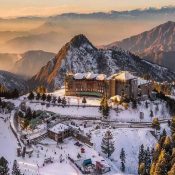
On the other side, there’s Malam Jabba-a snowy, fairytale – like world. It’s Pakistan’s most famous mountain resort, especially popular in winters for skiing, snowboarding and the iconic chairlift rides with jaw-dropping views. But even in summer, Malam Jabba remains a stunning destination with pine-covered hills, fresh breezes and scenic hiking trails. The resorts here offer both comfort and a front-row seat to nature’s beauty. Both Kalam and Malam Jabba are unforgettable in their own unique ways-one green and calm, the other snowy and thrilling. Together, they show the true soul of swat’s natural charm.

Mahodand Lake:
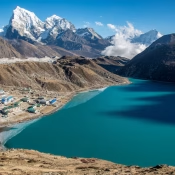
Tucked deep in the heart of Ushu Valley, just a short drive from Kalam, Mahodand Lake is a dreamy, picture-perfect spot that feels straight out of a fairytale. Surrounded by snow-covered mountains and colorful wildflowers, this lake is nature art at it best. The name “Mahodand” literally means “Lake of Fishes”, and with its crystal-clear water full or trout, it lives up to its name. The journey to Mahodand is an adventure in itself-a slightly rough but incredibly scenic jeep track from Kalam takes you through rivers, forests, and winding mountain paths. But the moment you reach the lake, it’s all worth it. The deep blue water, reflecting the towering snowy peaks, creates a view so peaceful and mesmerizing, it honestly stays with you. If you are someone who loves raw natural beauty and is looking for some real peace, then I highly recommended putting Mahodand lake on your travel list. It’s one of those places that quietly takes your breath away.

Ushu Valley and Ushu Forest:
Ushu valley is known for its mystical charm and natural serenity. Located just about 8/km from Kalam, this beautiful valley sits peacefully in the lap of towering mountains. It’s a place where nature shows off in every from-flowing river mighty peak, thick forests, and a wide-open sky. During the summer months, Ushu truly feels like a slice of heaven for travelers looking to escape the city noise.

At the heart of valley lies the stunning Ushu forest-a dense, dreamy woodland famous for its tall pine trees. Fresh air and soothing silence. The forest is the soul of the valley, offering visitors a peaceful retreat wrapped in greenery. Whether you are walking through the forest trails or just breathing in the pure mountain air, there’s something magical about it. If you are someone who truly connects with nature, both Ushu valley and forest will give your soul peace and your eyes a view you will never forget.
Madyan and Bahrain:
Madyan is a charming little town located on the way to Kalam valley, nestled along the banks of the Swat r River, known for its scenic beauty and warm hospitality, Madyan offers a peaceful atmosphere and lovely weather that instantly makes you feel at home. Whether you’re passing through or planning a short stay, this place has a clamming vibe that’s hard to ignore.
Just a bit ahead lies Bahrain, another lovely town whose names means “Two Rivers”. It’s called so because it’s where the Swat River meets the Daral River. This unique river side location gives Bahrain its special charm. The hotels lined up along the river banks are a big highlight-imagine enjoying your breakfast on a balcony with the sound of rushing water right below you!
If you’re someone who loves nature, simplicity and a touch of local culture, then Madyan and Bahrain are definitely worth a visit. They’re not just stopovers-they’re destinations full of calm, beauty and unforgettable riverside moments.

Gabral Valley:
Gabral Valley is one of the most beautiful and lesser-known gems of Swat Valley – a place still hidden from the eyes of many travelers. Located about 20-25km from Kalam, the journey to Gabral is a bit adventurous as the road is mountains and rough, so a jeep ride is usually required. But trust me, once you get there, it’s absolutely worth it!
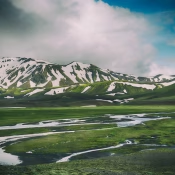
This is known for its calmness, simplicity and raw natural beauty. With snow-covered peaks, lush green pastures, and winding streams all around, Gabral feels like a peaceful painting that’s come to life. It’s the kind of place where time slows down, and your soul finally takes a deep breath. The local people are warm and welcoming, and the atmosphere is so serene that it gives you an instant sense of peace. If you are someone who loves untouched nature and wants to escape the crowds, Gabral Valley is your perfect getaway.

The Cultural Soul of Swat
Pashtun Hospitality:
Swat’s beauty isn’t just limited to its snow-capped peaks and crystal-clear lakes; it’s also in the warmth and generosity of its people. The locals of Swat are incredibly hospitable, kind-hearted, and pure. Most of the people in Swat are Pashtuns, and they are famous for their tradition of hospitality. If a stranger knocks on their door, they greet them with a beautiful smile and offer them a cup of hot tea. One of the most notable aspects of their culture is Pashtunwali – a set of values that includes hospitality, honor and justice. The people of Swat follow these principles closely and consider guests as a gift from God. What makes their hospitality so special is that it’s not about show or formality; it’s about genuine warmth and love.
In Swat you’ll find that people’s hospitality comes straight from the heart, and it’s an experience that stays with you long after your trip.
Traditional Food of Swat:
Swat Valley isn’t just famous its breathtaking natural beauty, but also for its mouthwatering traditional foods. One of the most loved and iconic dishes here is Chapli Kabab, usually served hot with tandoori naan. It’s spicy, juicy flavor instantly wins over anyone who takes a bite. Another favorite is kabli pulao-a dish considered the pride of special occasions, made with rice, tender meat, raisins, carrots and nuts. Although Sajji originally comes from Baluchistan, it’s also a popular treat in Swat, especially for meat lovers. Other must-try items include soft Roghni Naan, Spicy Desi Chicken or Lamb Karahi, all rich in traditional taste. And of course, no meal in Swat is complete without a cup of Peshawari Qehwa (green tea), served with warmth and hospitality. The flavor of Swat aren’t just delicious-they leave a lasting impression that visitors remember long after their trip is over.
Festivals and Local Crafts:
The culture of Swat isn’t just limited to its natural beauty or delicious food-its vibrant festivals and traditional hand-crafted goods are just as much a part of its identity. One of the most important celebrations in the region is the Jashn-e-Baharan (spring festivals), which is held every year at the beginning of spring with great energy and color. The entire valley also comes alive during Eid celebrations, filling the air with joy and warmth. Swat is also well-known across Pakistan for its beautiful handmade crafts. Among the most popular are the traditional Swati Topi (cap) and Swati Chadar (shawl), often bought as culture souvenirs. These aren’t just pretty items-they reflect centuries of tradition and craftsmanship. If you visit Swat, don’t forget to explore the local crafts scene and take home something special-because these are not just items, they’re pieces of cultural heritage and a memory to cherish.